
Introduction
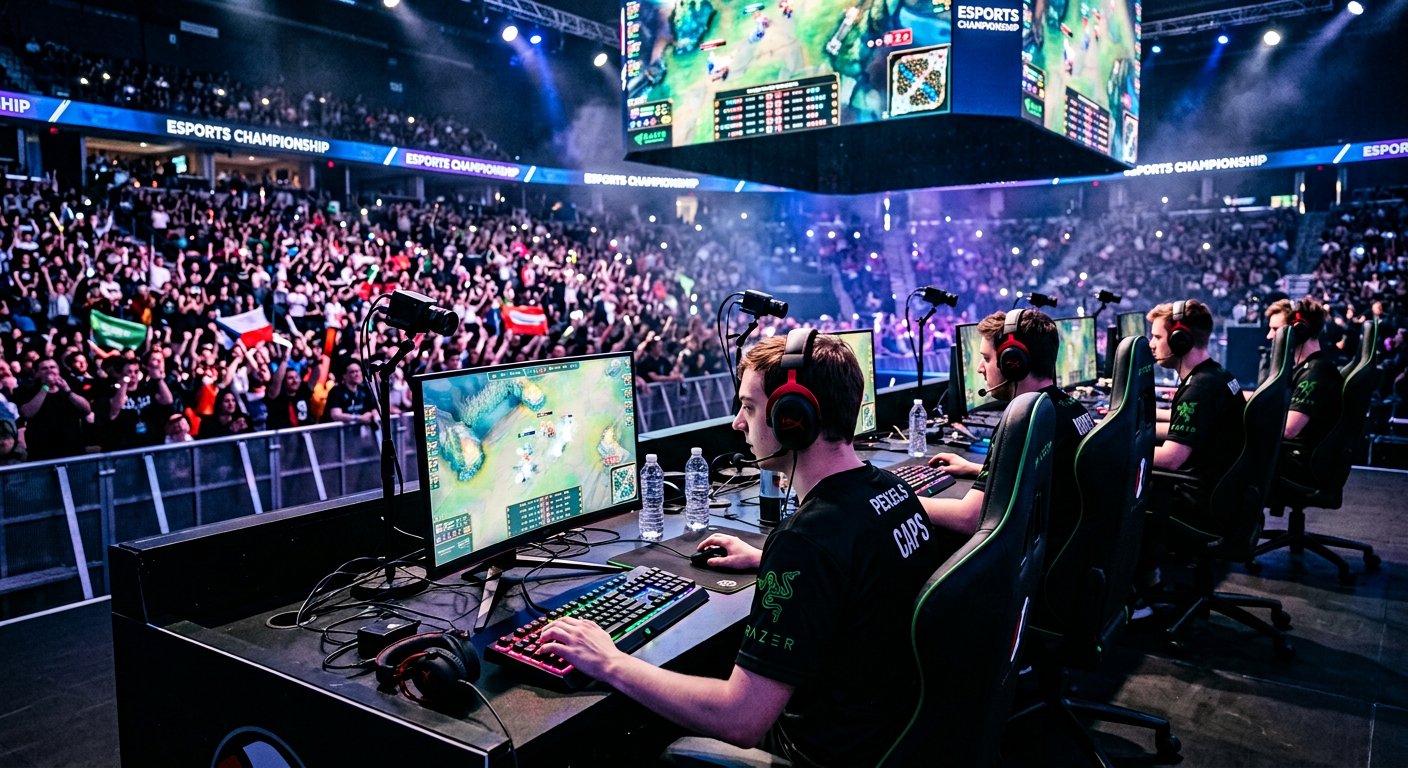
Esports is organised competitive video gaming played for prizes before an audience. There is a particular kind of argument that ends not with anyone conceding, but with an institution quietly acting as though the argument never happened. That is roughly what occurred on 23 July 2024, when the 142nd Session of the International Olympic Committee (IOC) in Paris voted unanimously to create an Olympic Esports Games.
Thirty years of debate about whether competitive gaming counts as sport did not conclude with a persuasive essay. It concluded with a committee vote and a twelve-year hosting partnership.
How a pastime became an industry substantial enough to interest the Olympic movement is a story about distribution, publisher control and sponsorship money, and it is worth telling accurately because the sector's own promotional figures have not always been reliable.
Historical Background
Competitive gaming existed long before it was an industry. Tournaments ran through the 1990s, and South Korea built a genuine professional scene around StarCraft with televised matches in the early 2000s. What limited every earlier attempt was distribution, because broadcasting a video game required a television slot, and television did not want one.
Live streaming removed that constraint entirely. A tournament could reach a global audience at almost no marginal cost, with no gatekeeper deciding the schedule. The audience that had always existed became visible and, more importantly, measurable, and measurable audiences can be sold to advertisers.
Some publishers responded by building franchised leagues with fixed teams and scheduled seasons, importing the structure of North American professional sport. That professionalised the sector quickly, and it concentrated risk at the same time.
What Separates Esports from Playing Games?
Esports is organised competition: structured rules, ranked qualification, scheduled fixtures, prize money, and an audience that watches instead of playing. The distinction matters because it is what makes the activity a business. A popular game is a product sold to players; an esport is a product sold to spectators, and those are different economies with different customers.
There is also a structural fact that makes esports unlike football or basketball. Nobody owns football, and anybody may organise a match, but every esport is played on software owned by a company, and that company controls the rules, the updates, the tournament licensing and whether the competitive scene continues to exist at all. A publisher that loses interest in a competitive scene can end it in a way that no governing body in traditional sport could.
What Has Happened at the Olympic Level?
Following the unanimous July 2024 approval, the IOC confirmed in February 2025 that the inaugural Olympic Esports Games would be held in 2027, having initially announced 2025, with a preparatory roadmap starting that year. The confirmation came with a twelve-year partnership between the IOC and the National Olympic Committee of Saudi Arabia, and the Esports World Cup Foundation was named founding partner. Winners will receive trophies, not conventional medals.
The delay is itself informative: aligning publisher-owned titles with Olympic governance is genuinely difficult, and the schedule moved accordingly.
Beyond the Olympic track, the established structures are publisher-run world championships, third-party tournament circuits, and university and school competition, which has become a recruitment pathway in several countries.
What Does the Economics Look Like?
Sponsorship dominates the business, with smaller contributions from media rights, merchandise, ticketing and publisher revenue sharing. The wider games market took $188.8 billion in 2025 from roughly 3.6 billion players, according to Newzoo's Global Games Market Report 2025, and a game with a living competitive scene holds its audience for years, not months. Much of the time, esports makes more sense as marketing infrastructure for a game than as a business standing on its own.
The national interest has been where the money is loudest. Saudi Arabia's position, through both the Esports World Cup Foundation and the twelve-year IOC partnership, is the clearest example: heavy investment in a sector with a young global audience, folded into a wider strategy. Writing about it honestly means holding two things at once, the scale of what has been built and the criticism the investment attracts.
The data itself deserves care. Newzoo, whose esports reports were the sector's most-cited source, discontinued its dedicated esports reporting in 2023. The estimates that have circulated since come from various providers using different definitions of a viewer and different revenue models, and they are not directly comparable. A precise global esports revenue figure is best treated as one provider's estimate, not an established fact.
What Are the Opportunities Beyond Playing?
The clearest opportunities are not in playing. A tournament requires broadcast production, analysis, coaching, event operations, statistics, translation and community management, and these roles are more numerous and more durable than the playing positions. For anyone weighing a route into the sector, production and data work is the more reliable entry point.
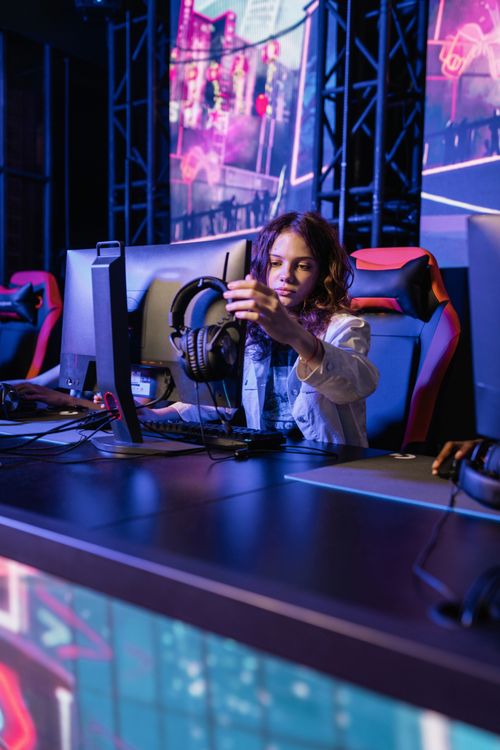
There is also genuine accessibility. Competing does not depend on physical build or on living near a suitable facility, which widens participation in ways traditional sport structurally cannot.
What Are the Risks and Limitations?
The business model has not matured. Sponsorship is the first budget cut in a downturn, and when investment tightened, organisations built on venture funding with no operating profit underneath contracted sharply. Media rights, which underwrite traditional sport, have not reached comparable scale.
Publisher dependency is a structural risk. A competitive scene exists at the discretion of a company that may change the game's rules, alter its economics or discontinue support.
Player welfare is an ongoing concern. Careers are short, repetitive strain injuries are common, and the training culture has historically been punishing. Governance around player contracts and welfare lags well behind established sport.
Integrity and gambling present further exposure. Betting is a substantial revenue stream around esports and brings match-fixing risk, particularly at lower tiers where salaries are small and oversight is thin.
Conclusion
Esports did not become an industry because someone won the argument about whether it is a sport. It became one because streaming solved distribution, publishers built league structures, and sponsors decided a young global audience was worth paying to reach. Olympic recognition confirmed that.
What is still unsettled is whether the sector can fund itself. A business resting on sponsorship and strategic national investment is a business dependent on other people's enthusiasm. The transition that matters over the next few years is not further institutional recognition, which it now has, but whether esports can build revenue that survives a cold funding market.
Esports sells the same thing the social platforms sell: hours of human attention, bought by sponsors. How that market for attention actually works, and who pays for it, is examined in distraction by design.
Frequently asked questions
Is esports actually a sport?
It depends on the definition used, and the argument is now largely institutional, not philosophical. The IOC has approved an Olympic Esports Games while stopping short of treating it identically to traditional Olympic sport, with winners receiving trophies, not conventional medals.
How do esports organisations make money?
Mainly sponsorship, with smaller contributions from media rights, merchandise, ticketing and publisher revenue sharing. The dependence on sponsorship is the sector's central financial weakness.
Why are esports audience and revenue figures inconsistent?
Because the leading analytics firm discontinued its dedicated esports reports in 2023, and remaining estimates use different definitions of what counts as a viewer or as revenue. Figures from different providers are not directly comparable.
What is the difference between esports and streaming?
Esports is organised competition with structured rules and prizes. Streaming is entertainment broadcasting by individual creators. They share an audience and a platform, but they are separate businesses.
Did the Olympic Esports Games happen in 2025 as first announced?
No. The IOC initially announced a 2025 first edition, then confirmed in February 2025 that the inaugural Games would take place in 2027, with a preparatory roadmap beginning that year.
Sources
- IOC enters a new era with the creation of Olympic Esports Games — International Olympic Committee, 2024-07-23Supports: The 142nd IOC Session unanimously endorsed the creation of an Olympic Esports Games, and the IOC entered a 12-year partnership with the National Olympic Committee of Saudi Arabia.
- First Olympic Esports Games Confirmed for 2027 in Saudi Arabia, Roadmap Starts This Year — Saudi Press Agency, 2025-02-11Supports: Confirmation that the inaugural Olympic Esports Games would take place in 2027, not 2025, and that the Esports World Cup Foundation was named founding partner.
- Olympic Esports Games — International Olympic CommitteeSupports: IOC statement that the Olympic Esports Games were approved in July 2024 as a landmark initiative bridging esports and traditional sport.
- Newzoo Global Games Market Report 2025 — Newzoo, 2025-09-09Supports: Global games market revenues of $188.8 billion in 2025 across a player base of 3.6 billion, with console the fastest-growing segment at 5.5% year on year.
- Newzoo discontinues its esports industry reports — Esports Insider, 2023-03-02Supports: Newzoo discontinued its dedicated esports industry reports, which had been the sector's most widely cited source for revenue and audience estimates.